
The wrong water well drill bits can lead to slow penetration, excessive vibration, premature bearing failure, and frequent bit replacement. These issues not only increase drilling costs but also extend project timelines.
Choosing suitable drill bits for water well drilling means balancing formation hardness, drilling depth, circulation method, and budget rather than simply selecting the hardest or most expensive bit.
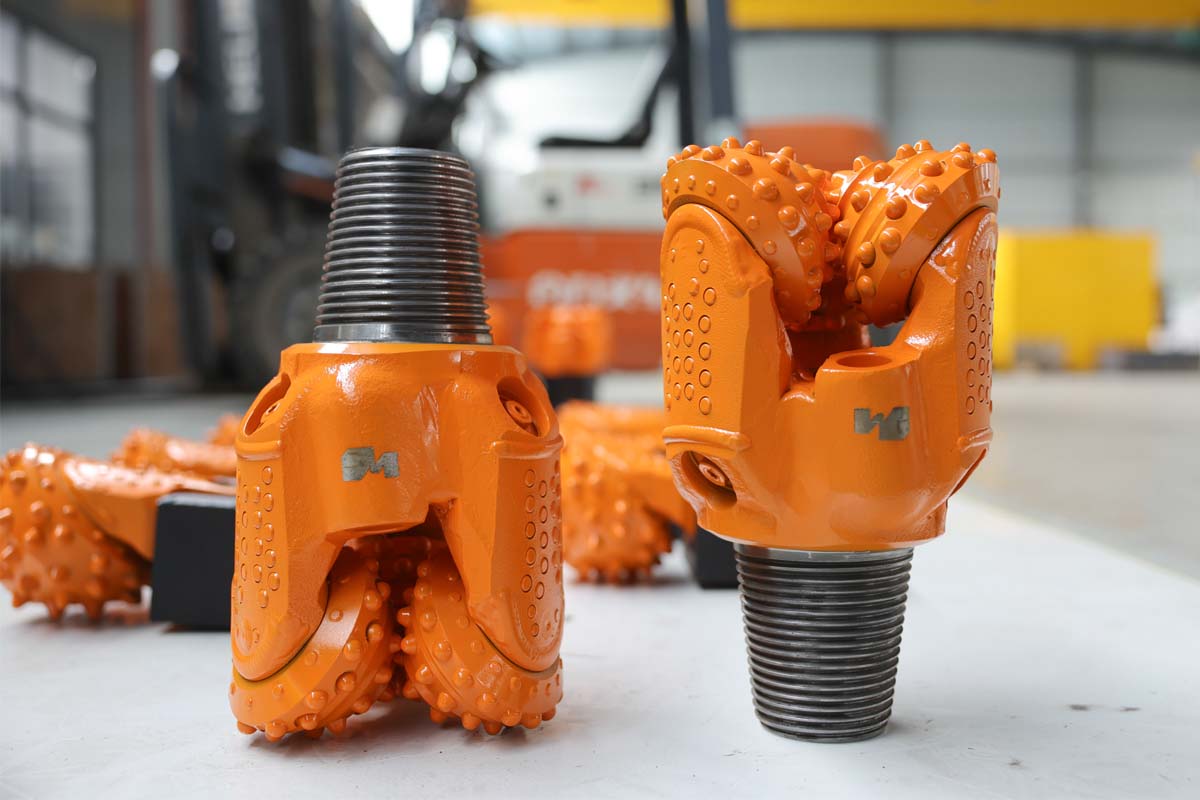
Different formations generate completely different cutting loads.
For example, clay tends to cause bit balling, gravel creates severe impact loading, while granite accelerates insert wear. Selecting the same borehole drill bit for all formations often results in poor drilling performance.
Typical formations include:
| Formation | Recommended Water Well Drill Bits | Why |
|---|---|---|
| Clay | Drag Bit | Prevents clogging |
| Sand | MT Tricone Bit | Better stability |
| Gravel | PDC Bit or MT Tricone Bit | Strong impact resistance |
| Limestone | PDC Bit | Excellent crushing efficiency |
| Sandstone | PDC Bit or TCI Tricone Bit | Depends on abrasiveness |
| Basalt | TCI Tricone Bit | Higher insert durability |
| Granite | TCI Tricone Bit or DTH | Maximum rock-breaking efficiency |
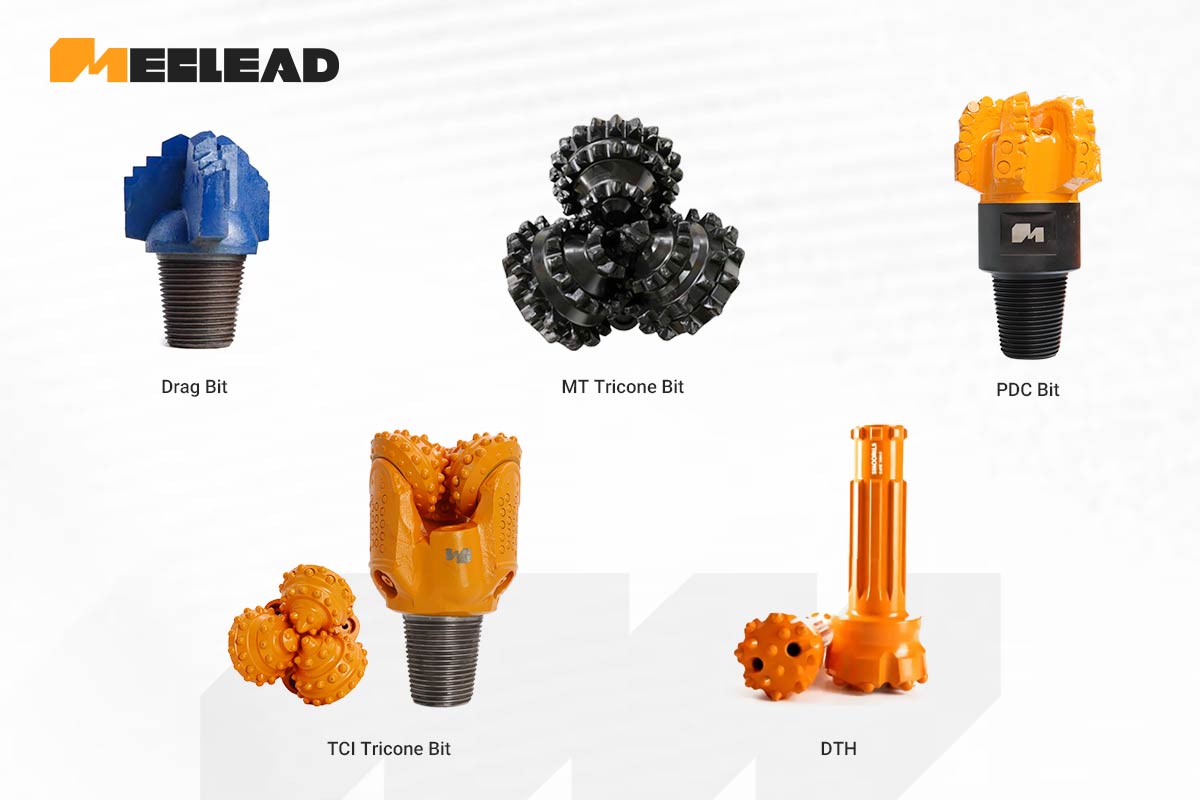
Instead of asking which drill bit is the best, a better question is which drill bit performs best in your formation.
Tricone Bit
Suitable for formations ranging from soft shale to hard granite, tricone bit drilling remains one of the most widely used methods in water well construction because it combines durability, stability, and cost-effectiveness.
PDC Bit
PDC bits deliver higher penetration rates in uniform formations with fewer fractures. However, they are less tolerant of severe impact and highly fractured rock than tricone bits.
Drag Bit
Often used for shallow wells in soft clay or sandy soil where drilling speed is more important than rock-breaking capability.
DTH Hammer Bit
Preferred when drilling very hard crystalline rock where rotary drilling becomes inefficient.
The most common mistakes include:
These mistakes can reduce drilling efficiency by more than 30% and significantly shorten bit life.
Even premium water well drill bits cannot perform well with incorrect drilling parameters.
To maximize bit life, contractors should optimize:
Proper drilling parameters reduce bearing heat, minimize insert wear, and improve overall penetration rate.
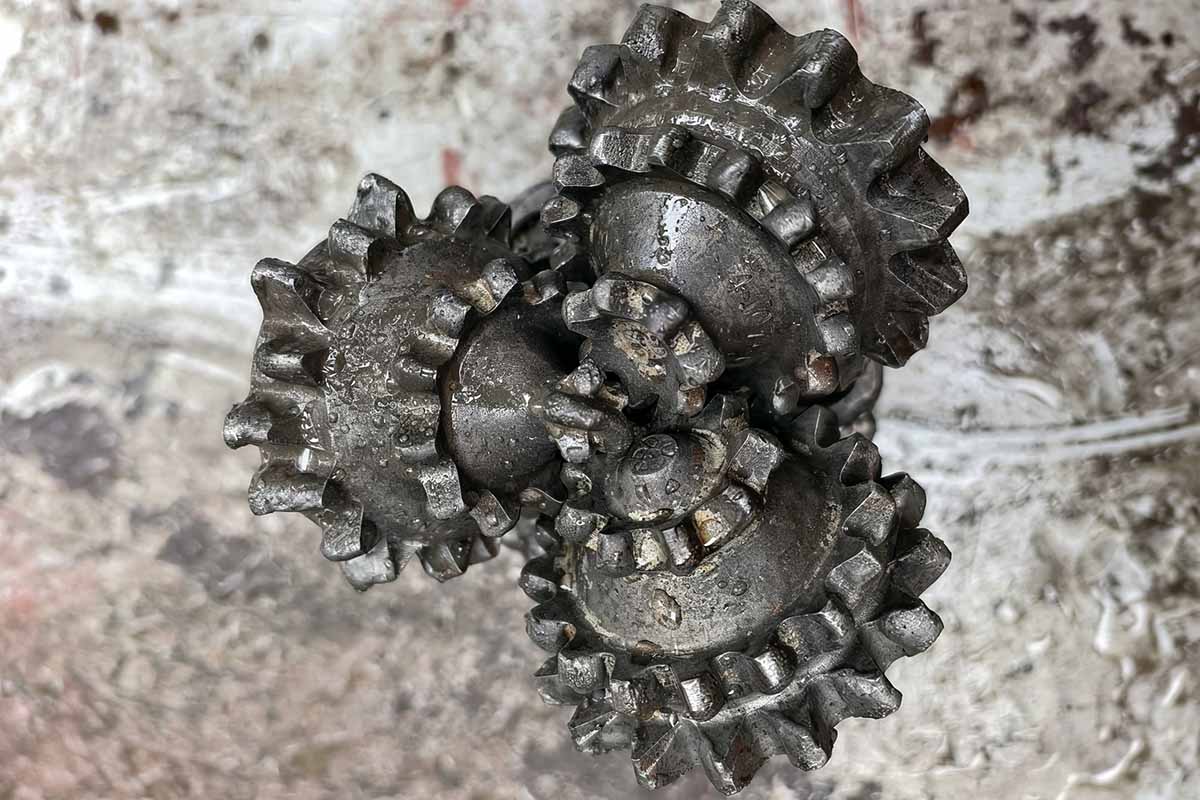
Many contractors continue drilling until the bit completely fails.
However, replacing a borehole drill bit before catastrophic failure usually reduces overall drilling costs.
Typical warning signs include:
One overlooked factor in drill bits for water well drilling is the drilling fluid system.
Air circulation is commonly used in hard rock because it improves cuttings removal and increases drilling speed.
Mud circulation provides better borehole stability in loose formations but requires adequate hydraulic cleaning to prevent bit balling and excessive wear.
Choosing the correct circulation system can significantly improve tricone bit drilling performance and extend service life.
Need help selecting the right HDD bit for your project? Send us your formation details, pilot hole size, target diameter, and rig model for a technical recommendation.
[ Optimal HDD Hole Opener Selection for Hard Rock and Complex Ground Conditions ]
We provide high-efficiency, precision drilling equipment and technical support to ensure the success of mineral, geological, and engineering projects under complex global conditions.